Sarah Maldoror
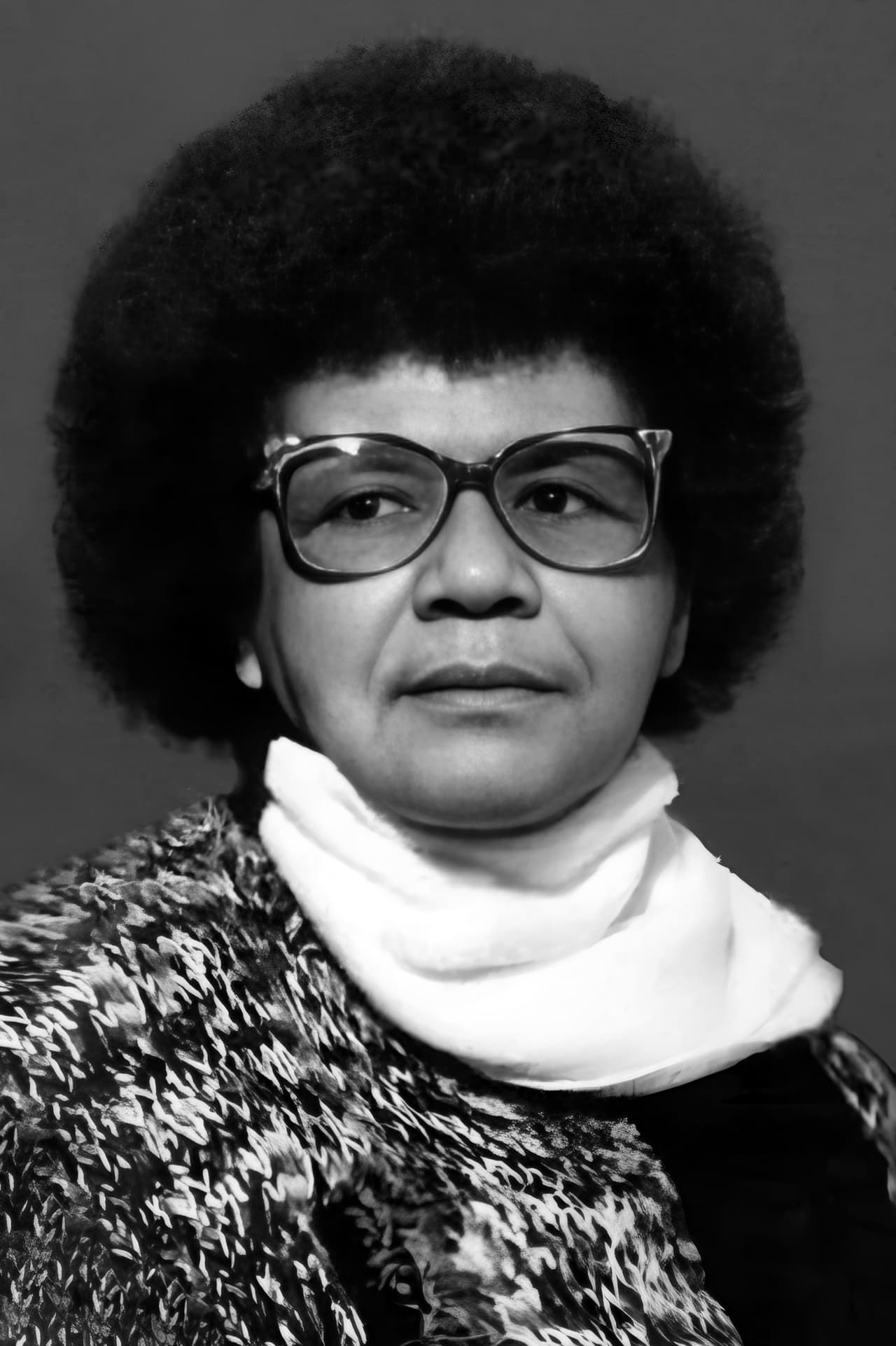
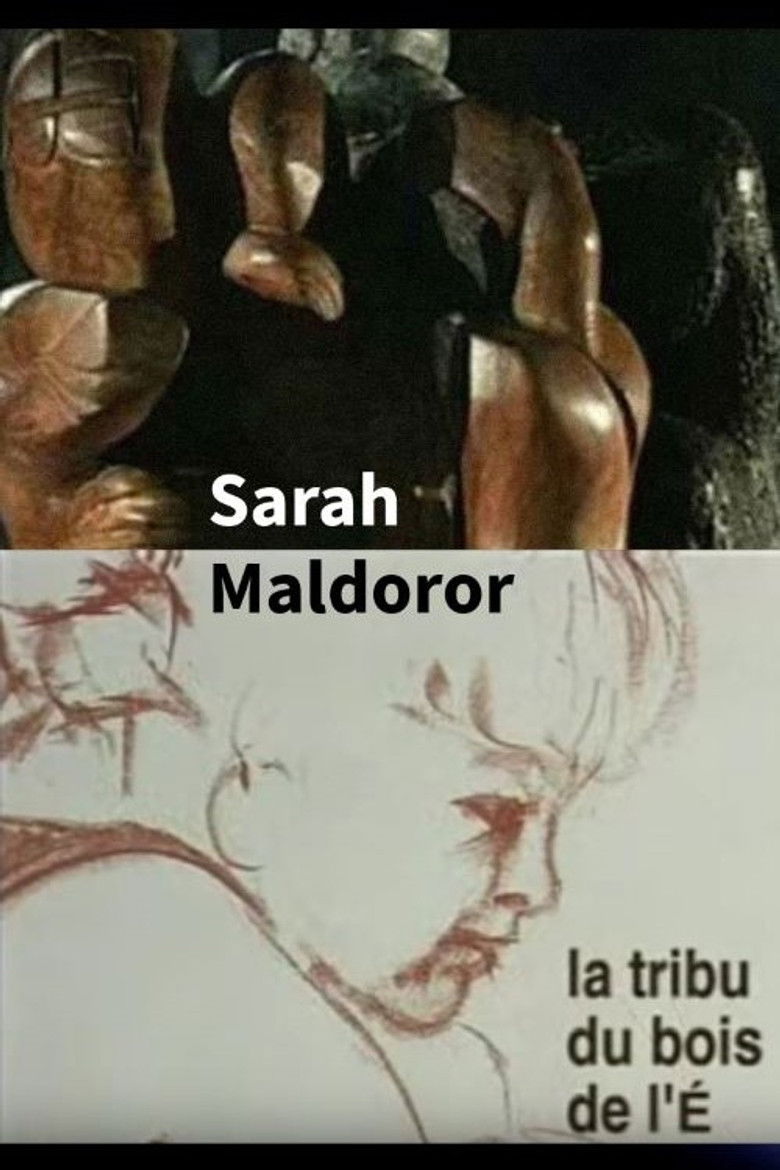
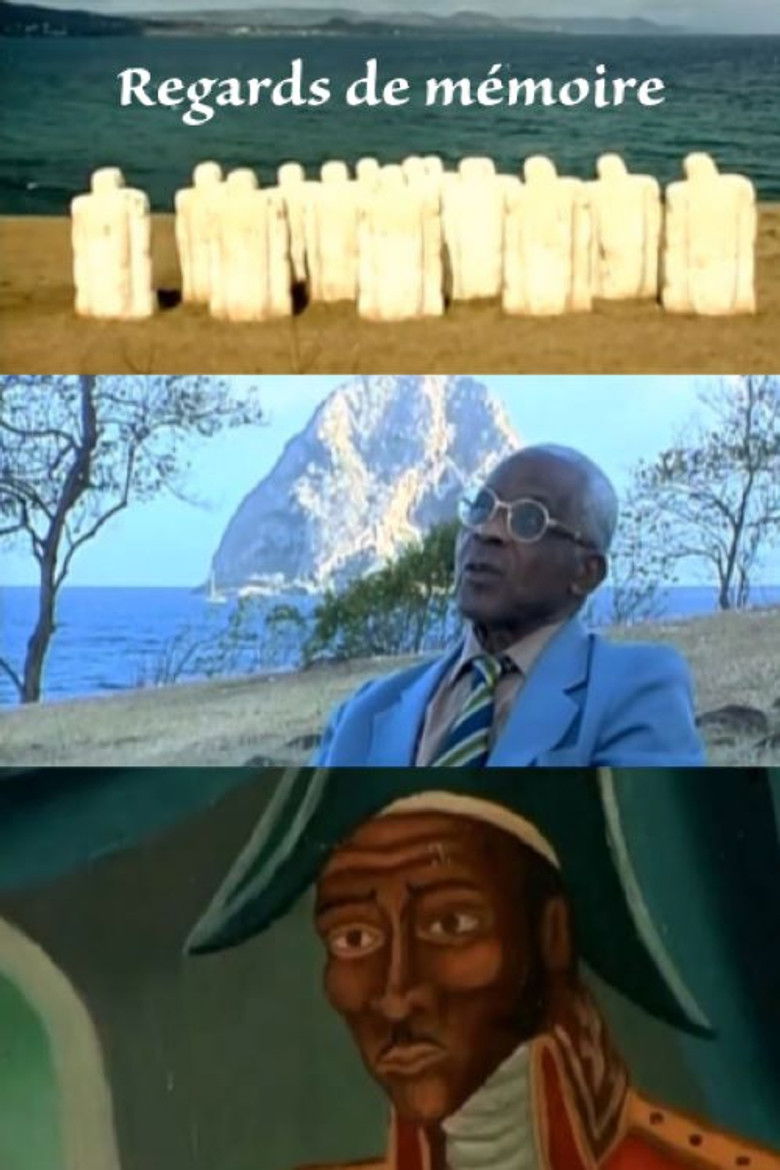
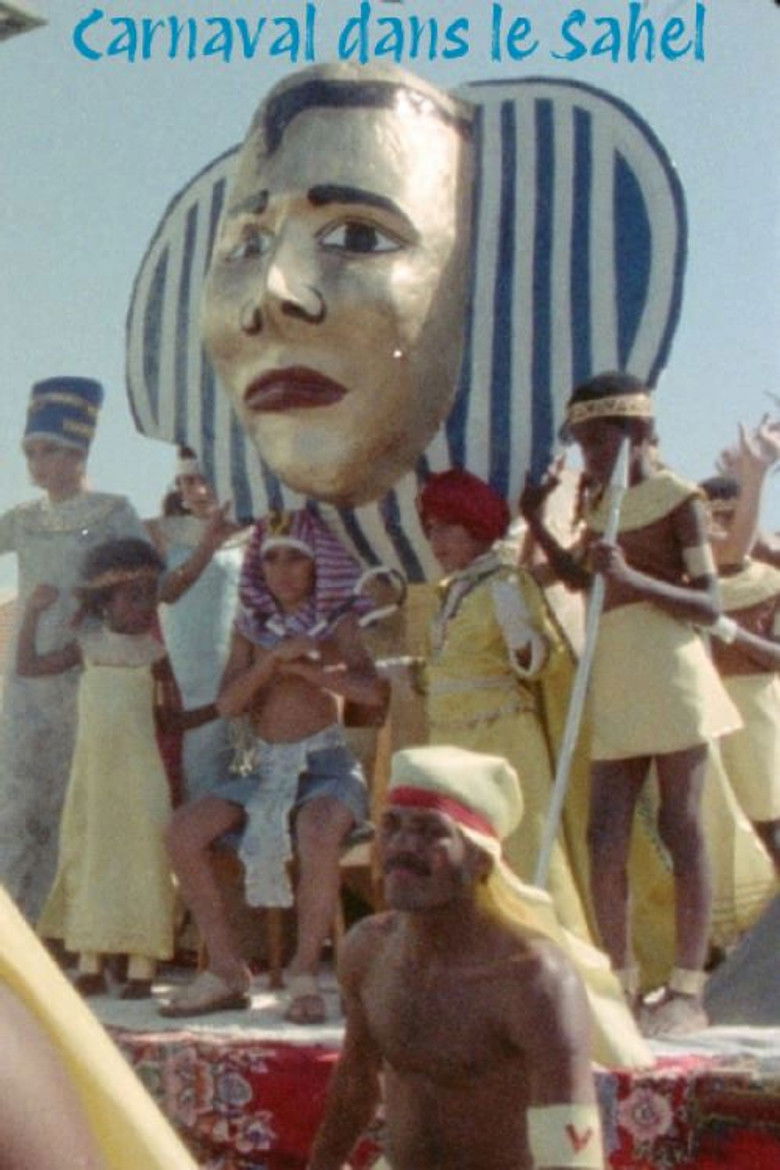
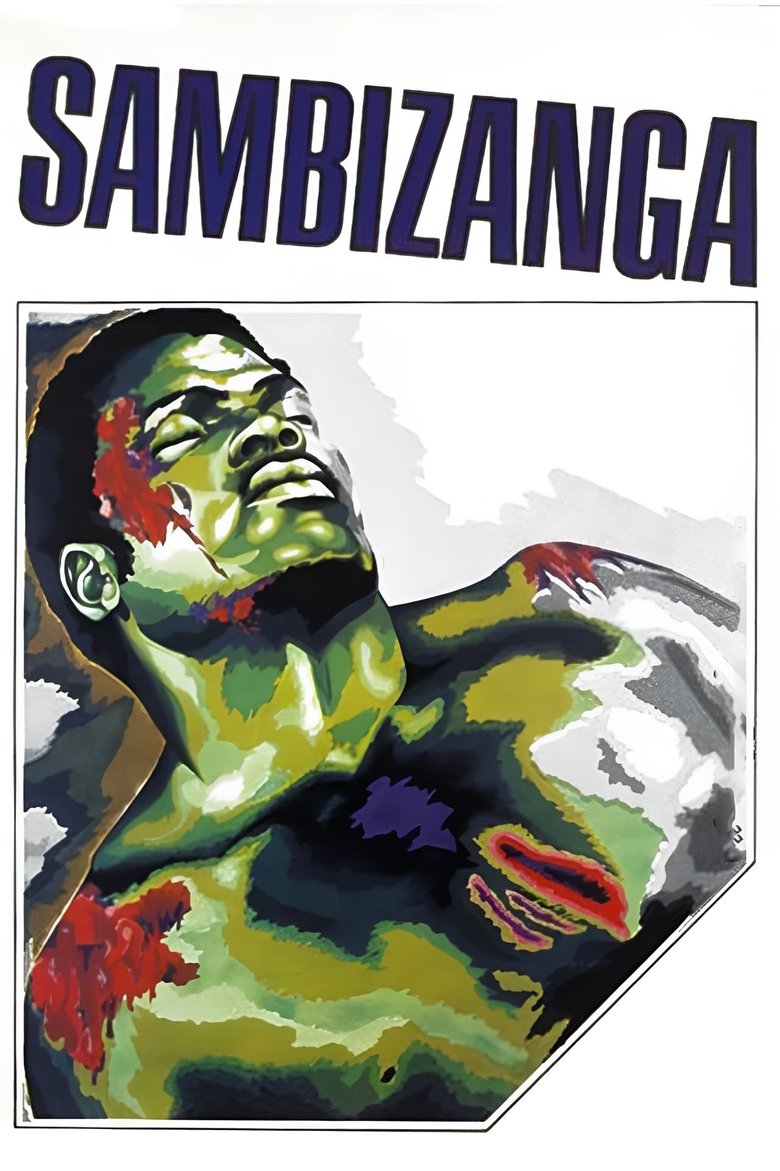
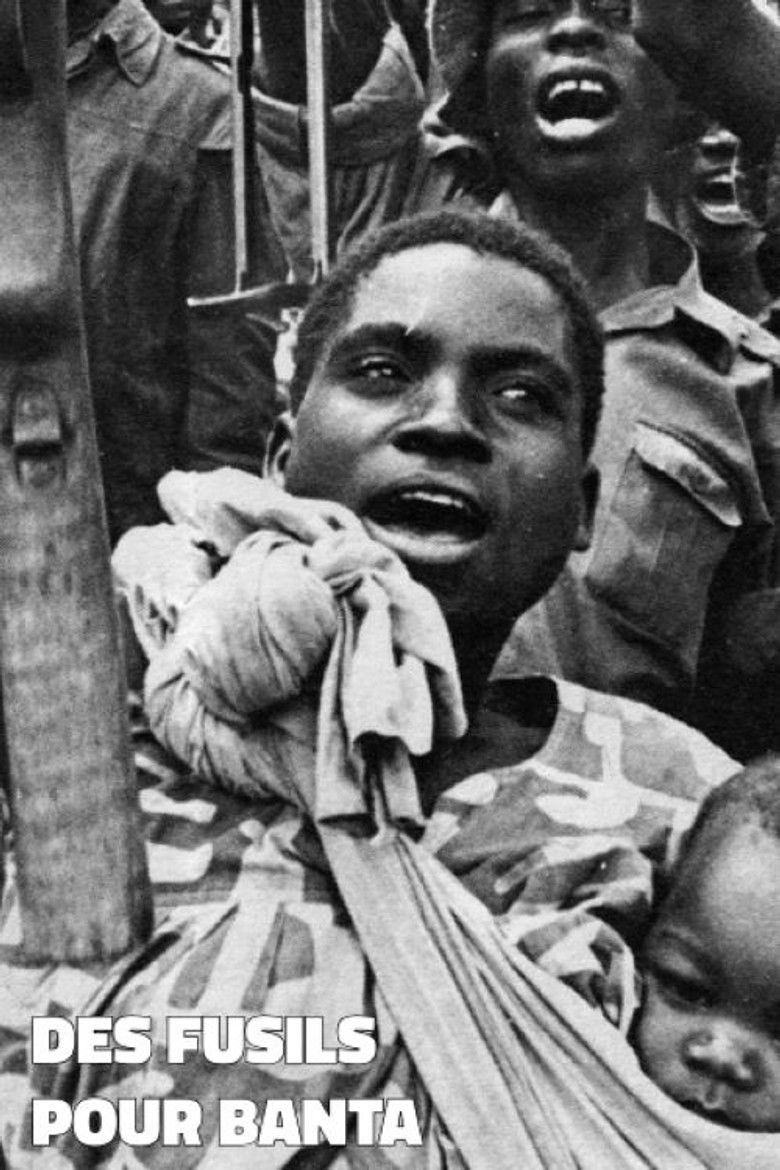
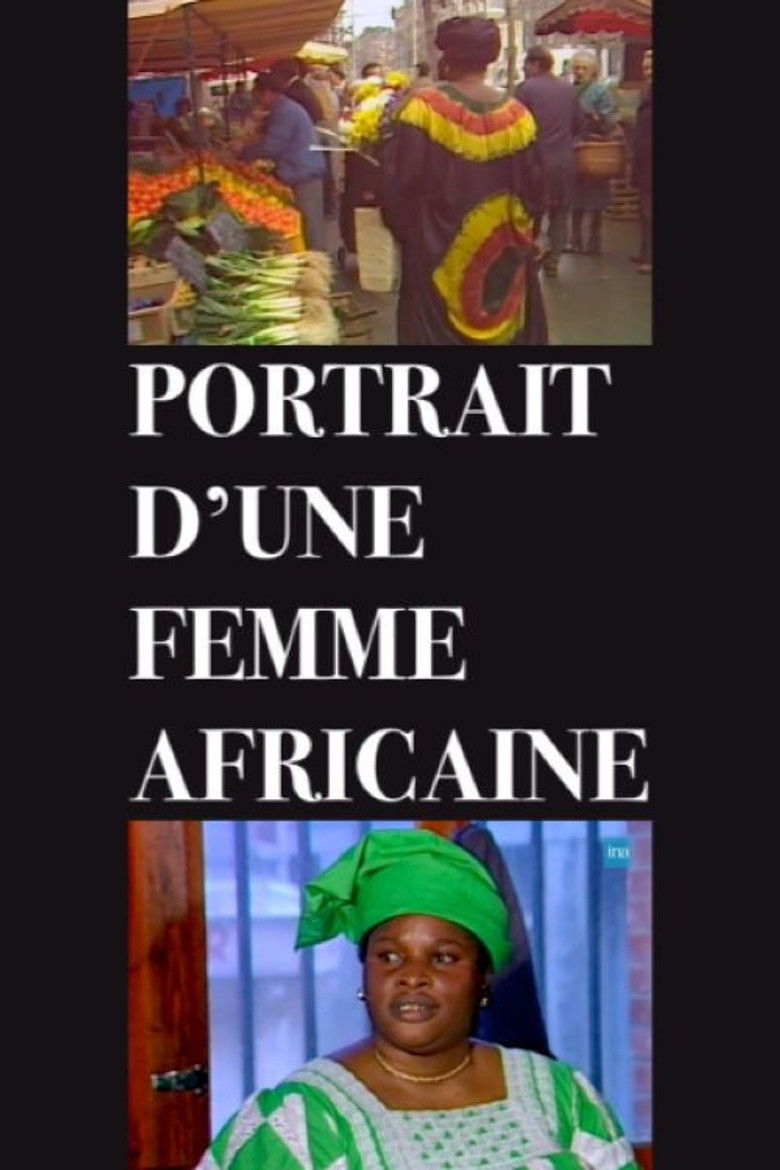
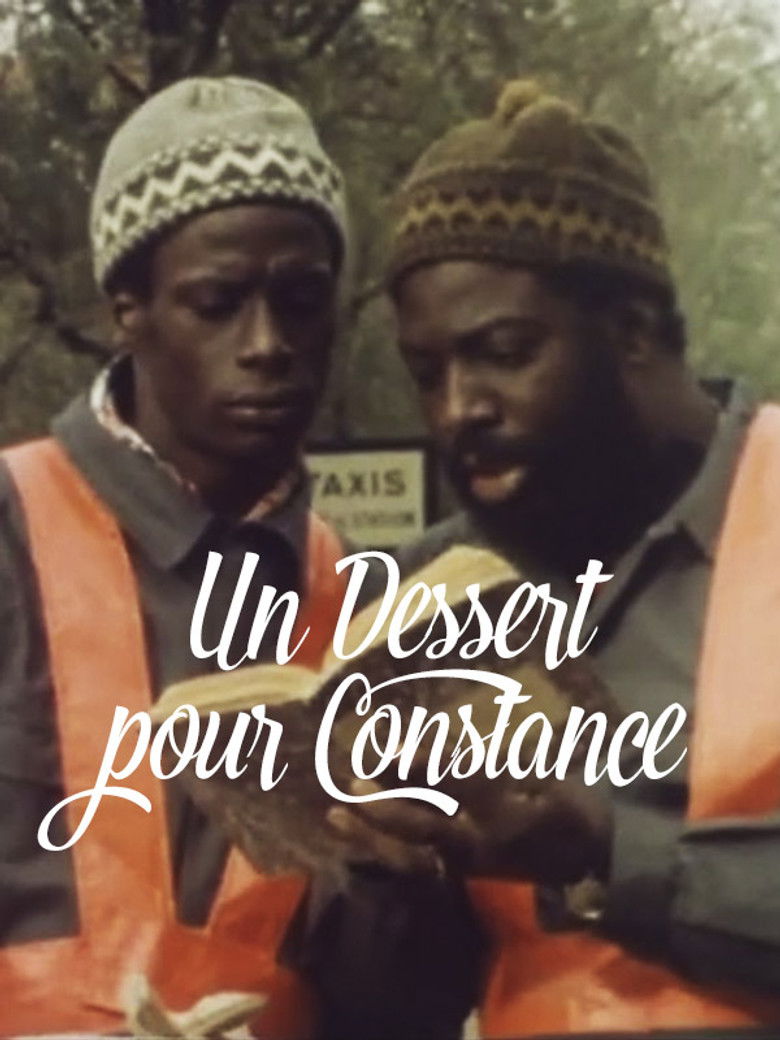
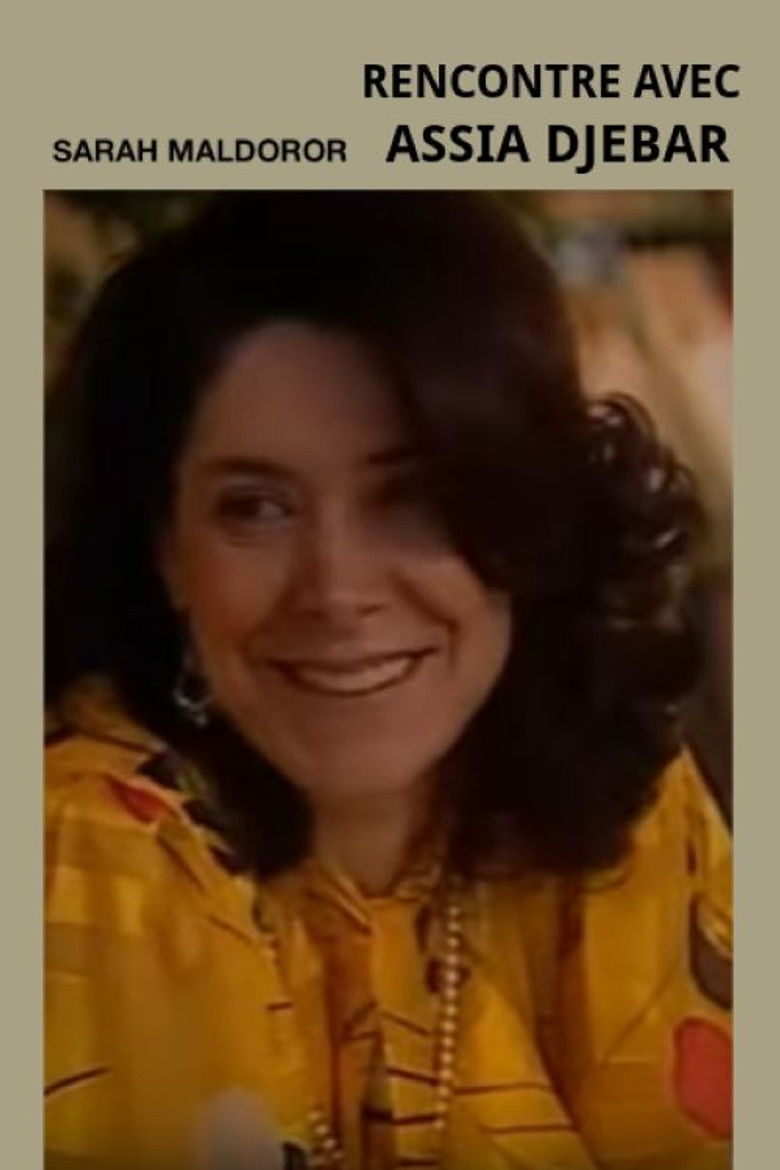
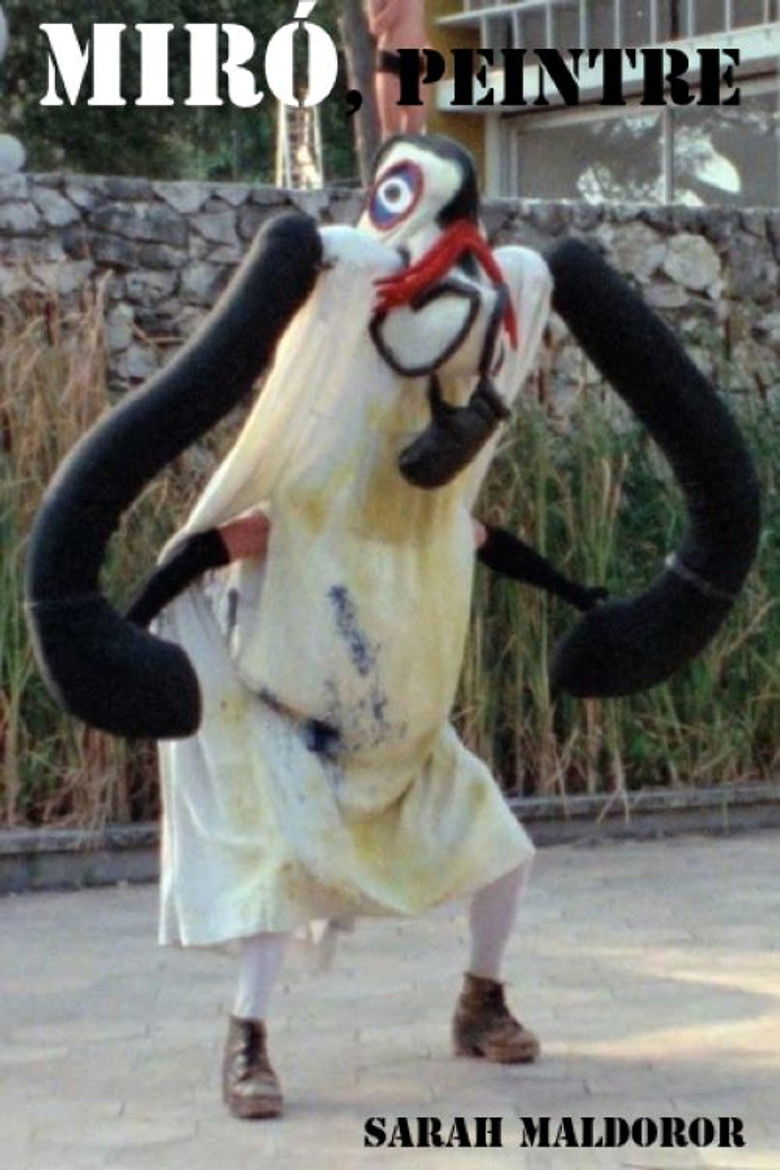
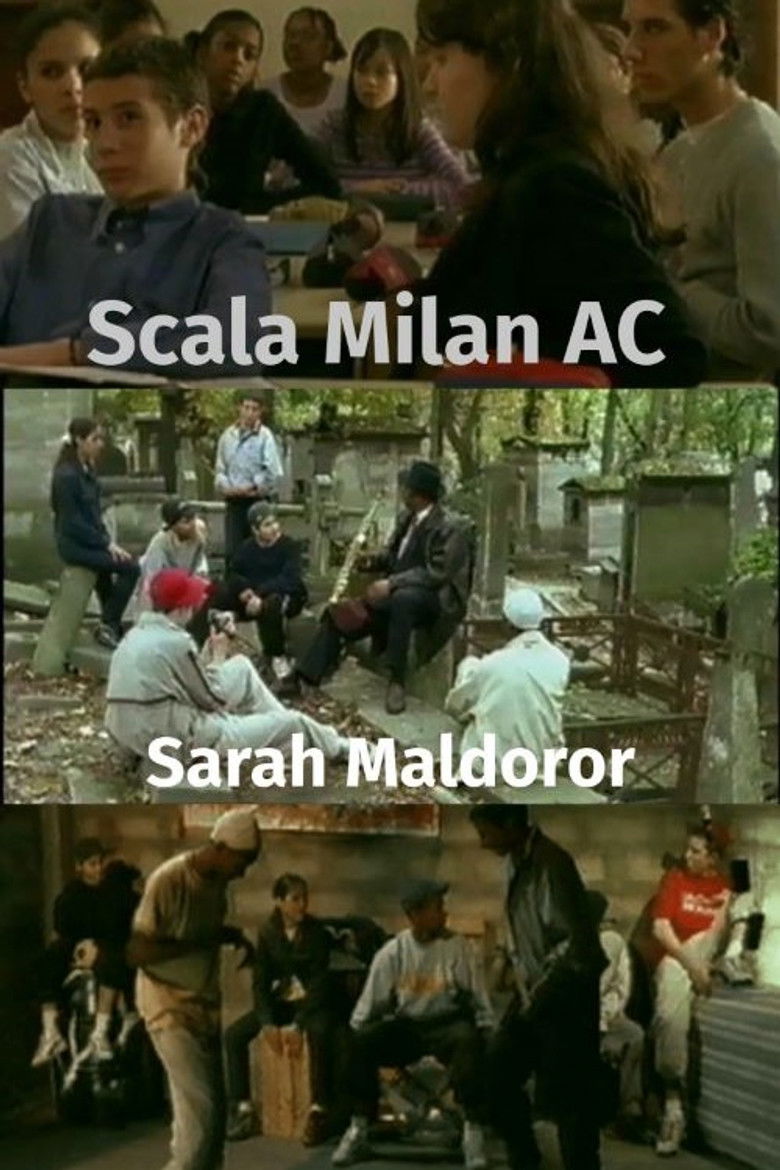
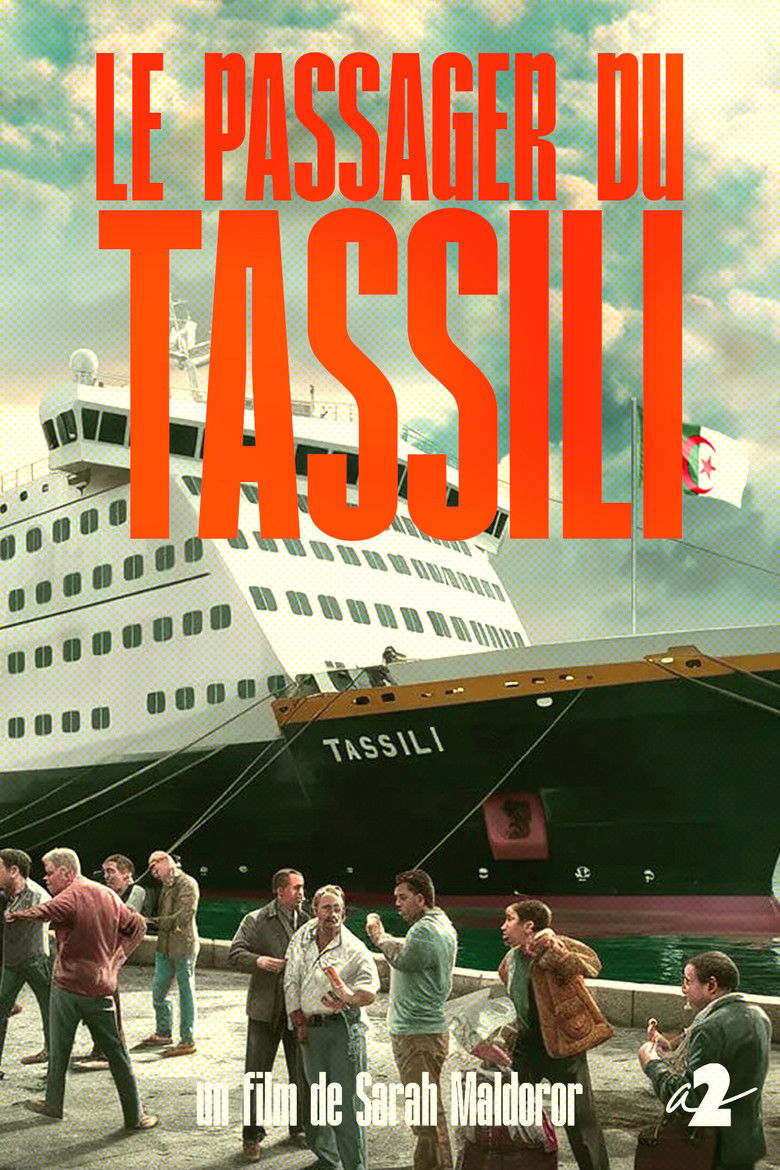
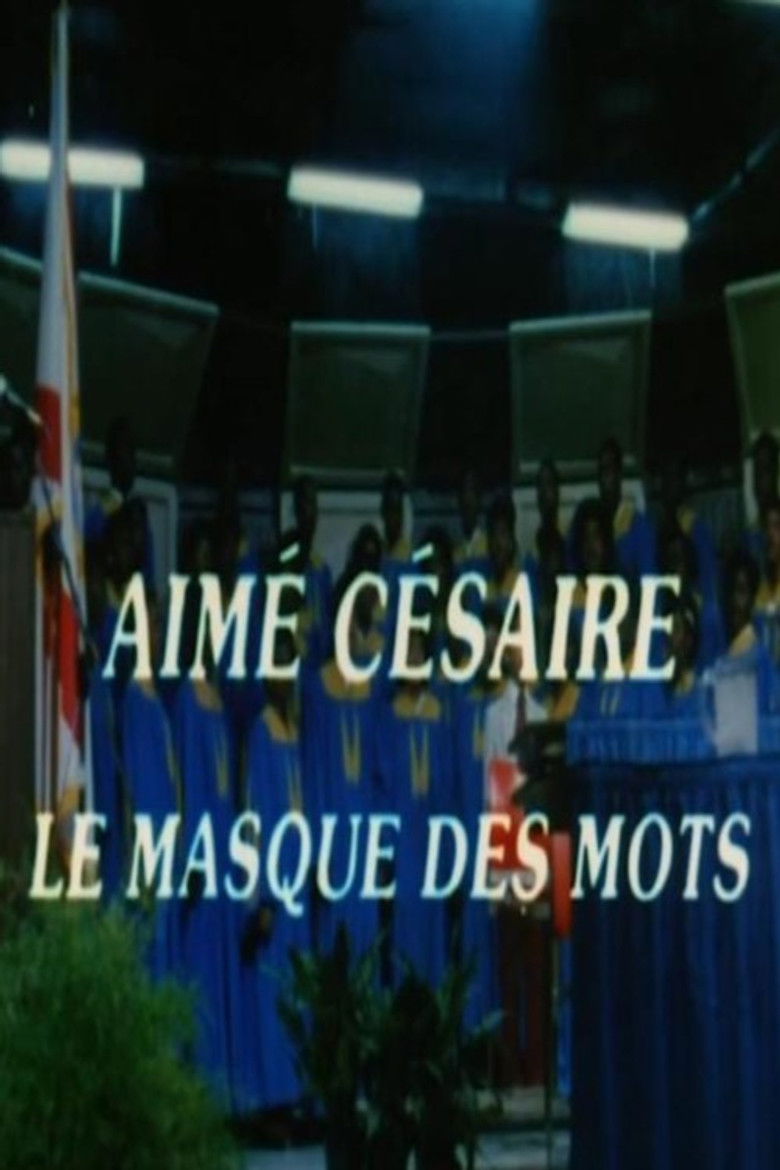
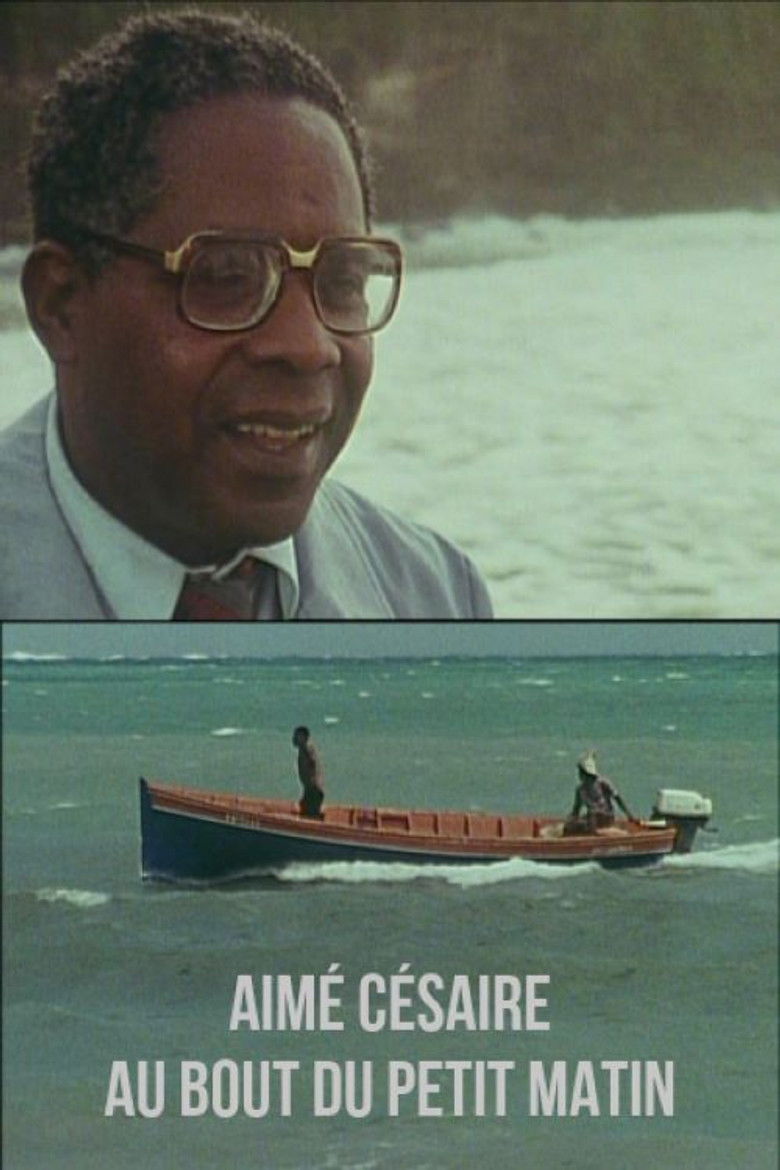
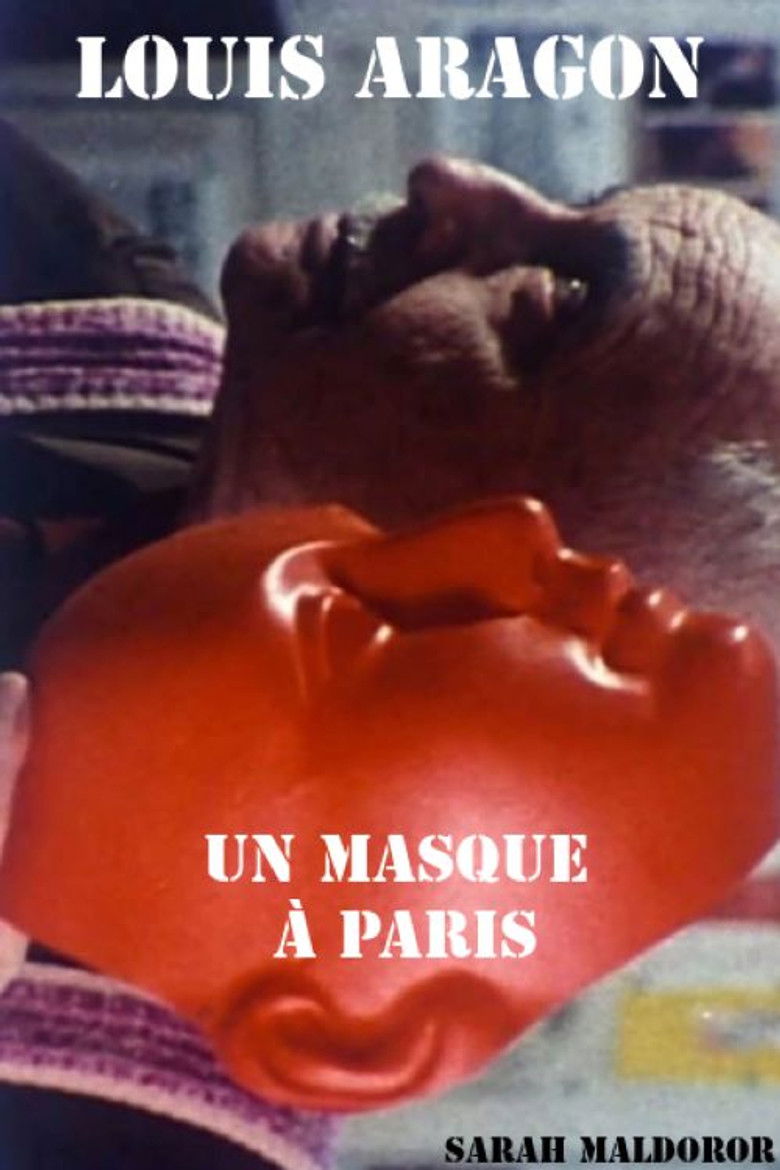
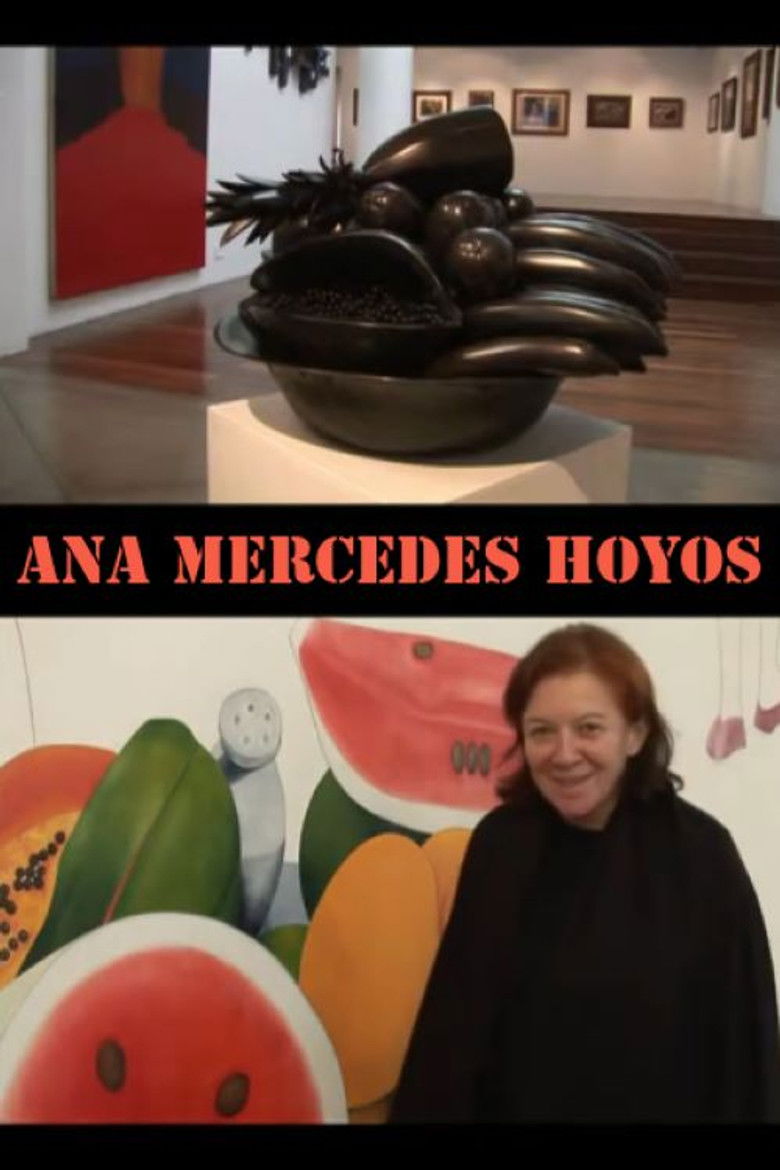
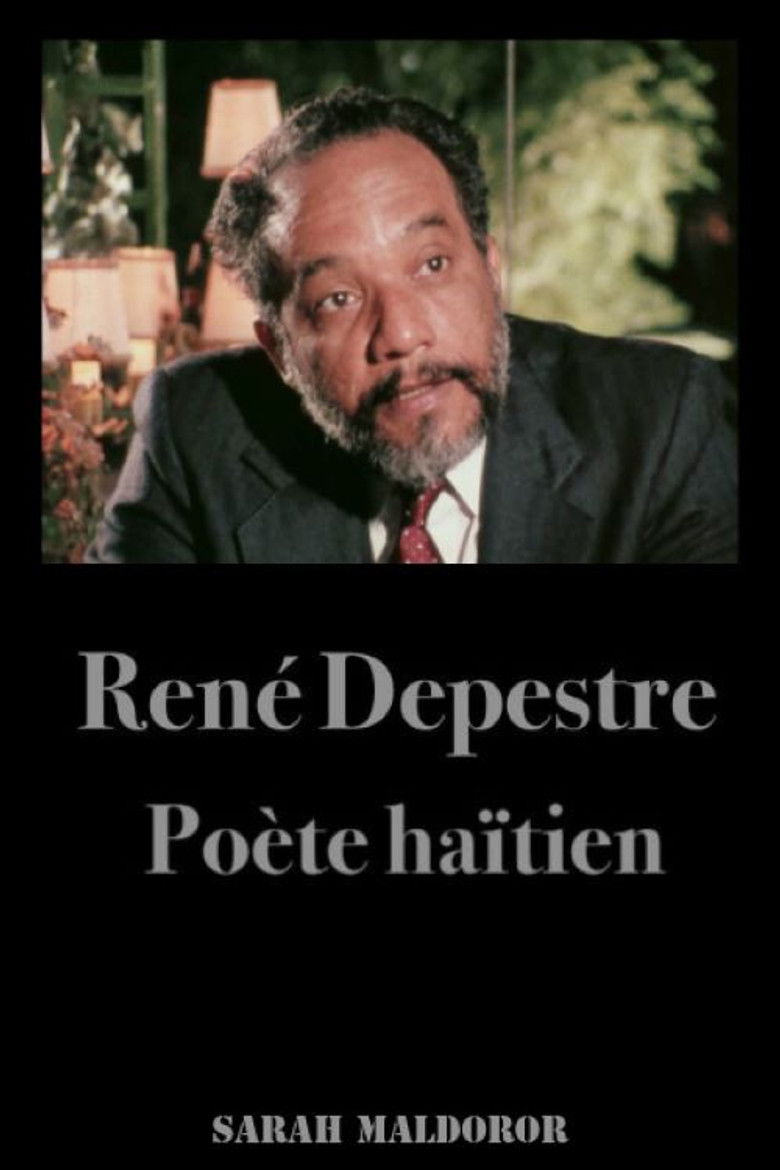
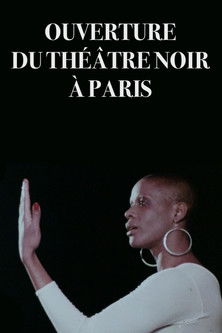
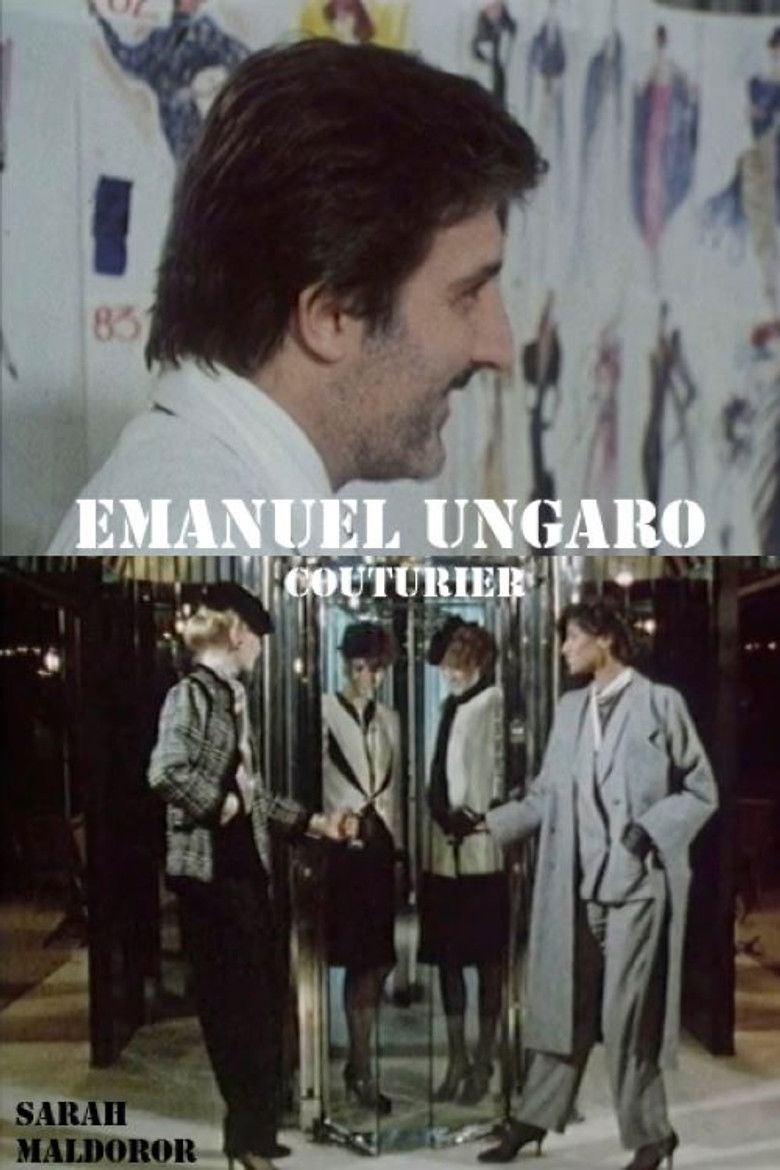
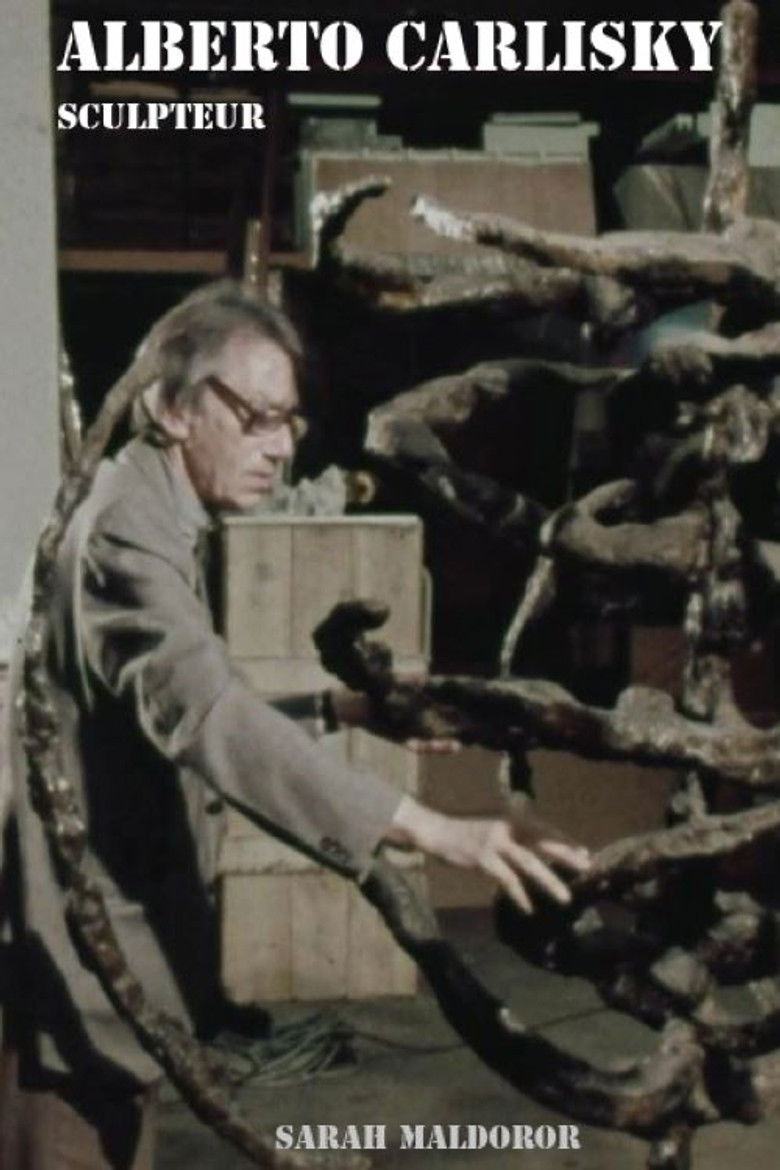
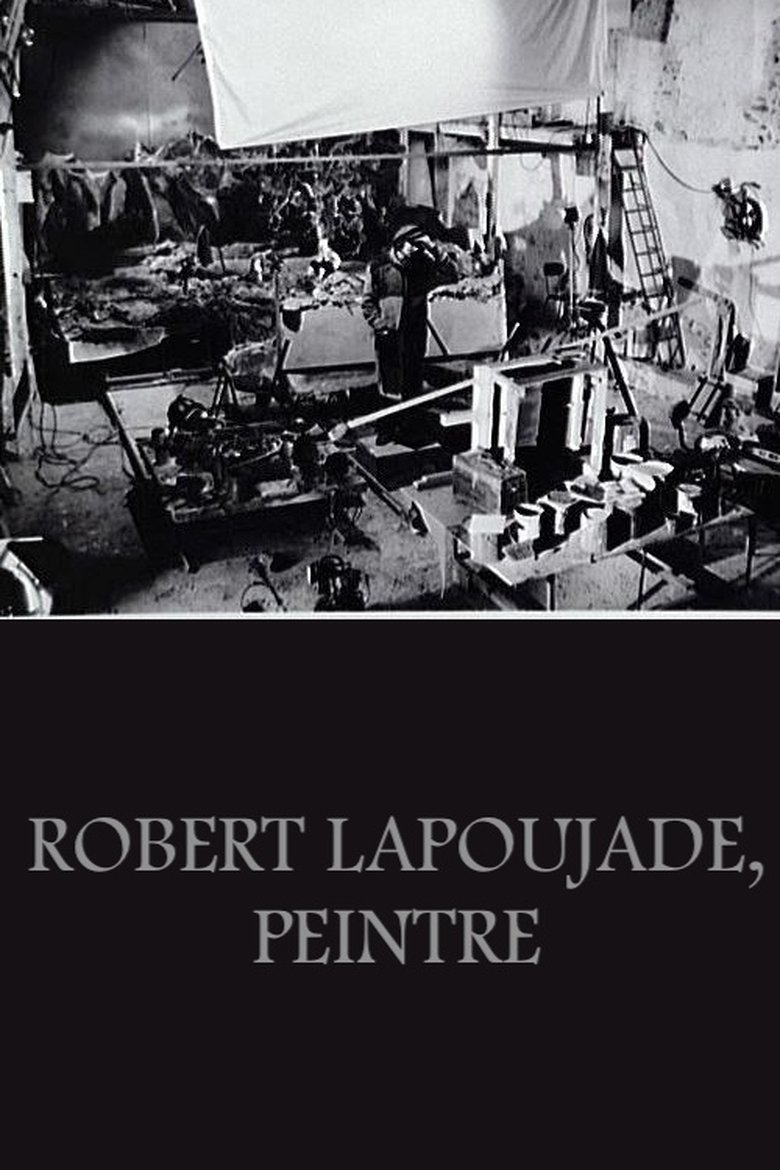
Sarah Maldoror (in Arabic: سارة مالدورور), whose real name was Marguerite Sarah Ducados, was a French filmmaker and director, born on July 19, 1929 in Condom (Gers) and died on April 13, 2020 in Fontenay-lès-Briis (Essonne). Her cinema is poetic but also political and committed. She is considered a leading figure in African cinema and the first female director on the continent. Born to a Guadeloupean father from Marie-Galante and a mother from Gers, she chose the artist name "Maldoror" in homage to the poet Lautréamont. In 1958, she created the first black troupe in Paris, "Les Griots", alongside Toto Bissainthe, Timoti Bassori and Samb Abambacar. One of their goals is to share and make known the texts of black authors, and to offer major roles to actors of African origin. Sarah Maldoror left for two years in Moscow to study cinema at VGIK under the guidance of Mark Donskoï. There she met the Senegalese filmmaker Ousmane Sembène. Companion of Mário Pinto de Andrade, Angolan poet and politician, she participated with him in the African liberation struggles. They gave birth to two daughters, Annouchka de Andrade and Henda Ducados. She returned to France in Saint-Denis. Mario de Andrade is the founder and first president of the MPLA (Movement for the Liberation of Angola). While he was secretary to Alioune Diop, founder of Présence africaine, he organized the first congress of black writers and artists in Paris (Sorbonne, 1958) and became a close friend of the poets Aimé Césaire, Léopold Sédar Senghor, Frantz Fanon and Richard Wright. It was in Algiers, where she moved in 1966, that she made her debut on the cinematographic front of the anti-colonial struggles: assistant on Gillo Pontecorvo's Battle of Algiers (1966) and William Klein's Pan-African Festival of Algiers 1969, a documentary, she soon made her first film, followed by a lost film shot in Guinea-Bissau and a first "fiction" feature film, Sambizanga (1972). Filmed in the Republic of Congo, based on an Angolan novel by José Luandino Vieira, adapted by his partner Pinto de Andrade with the French writer Maurice Pons, Sambizanga takes place in 1961 and describes the repression of the Angolan Liberation Movement from the point of view of Maria, the wife of a revolutionary activist imprisoned and tortured by the Portuguese army, who sets out to look for him across the country. Sarah Maldoror will direct more than forty short or feature-length films, fiction films or documentaries. Her gaze has focused in particular on the poets Aimé Césaire (five films), René Depestre or Louis Aragon, as well as the painters Ana Mercedes Hoyos, Joan Miró or Vlady. She died in April 2020 from Covid-19. In November 2021, "Sarah Maldoror, Cinéma Tricontinental" proposed by the Palais de Tokyo in Paris, is a retrospective of her work, her life and her political commitment. The exhibition continues at the Musée de l'Homme, the Musée de l'Histoire de l'immigration and the Musée d'Art et d'Histoire Paul Éluard in Saint-Denis.
Cast





Crew