John Henry Johnson
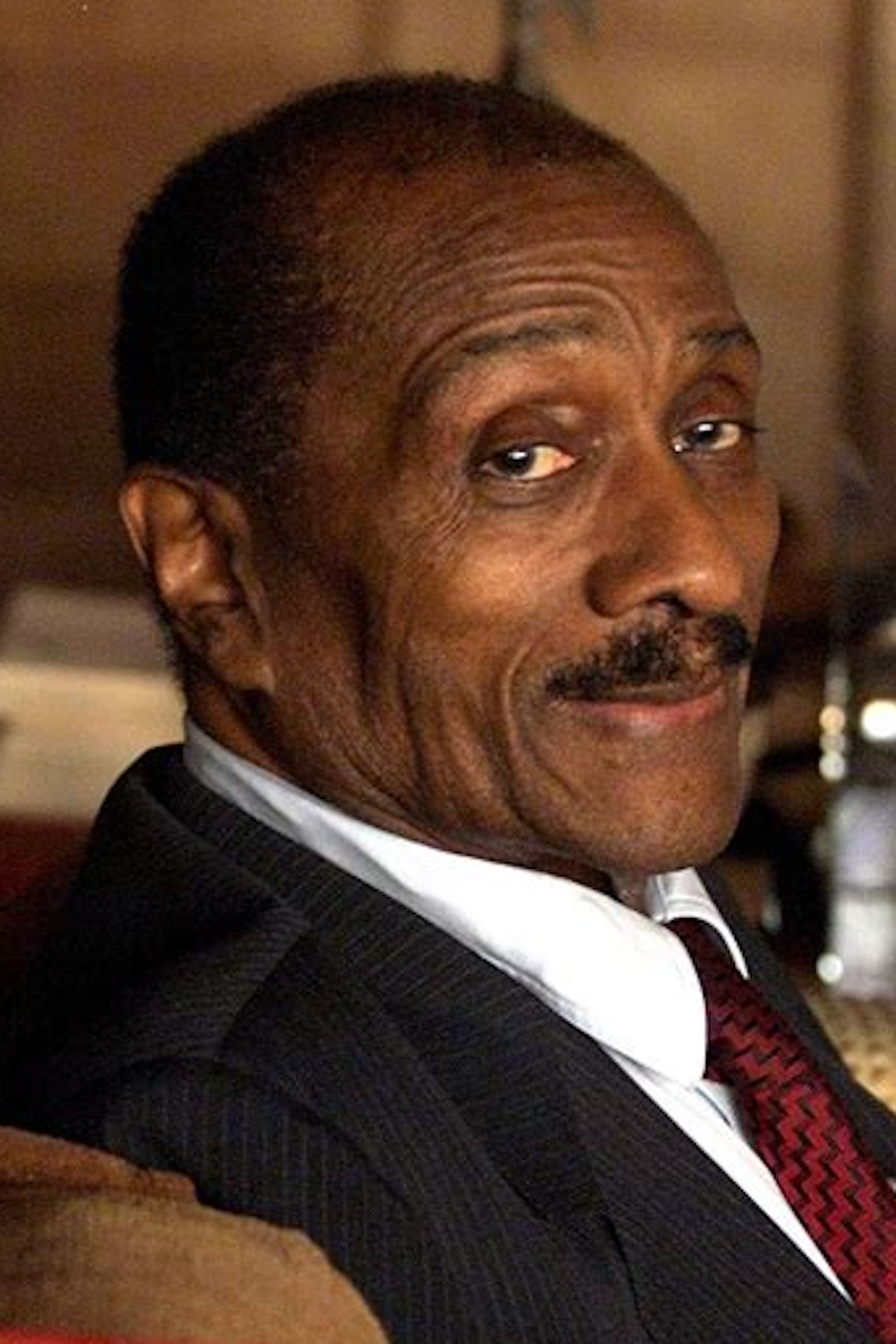
John Henry Johnson epitomized the complete fullback, combining devastating blocking with punishing running ability over thirteen professional seasons that established him among football's toughest and most talented players. Born November 24, 1929 in Waterproof, Louisiana, Johnson moved young to northern California where he starred at Pittsburg High School. He played college football at Saint Mary's College of California in Moraga, becoming school's first African-American football player before transferring to Arizona State College in Tempe after Saint Mary's dropped football following 1950 season. Drafted second round (18th overall) by Pittsburgh Steelers in 1953, the 6-foot-2, 210-pound Johnson instead played Canadian football with Calgary Stampeders, winning Jeff Nicklin Memorial Trophy as league MVP while leading team in rushing (648 yards), receiving (365 yards), and recording five interceptions playing defense. San Francisco 49ers signed Johnson in 1954 as left halfback, joining Y.A. Tittle, Joe Perry, and Hugh McElhenny forming legendary "Million Dollar Backfield"—the only full-house backfield that had all four members eventually enshrined in Pro Football Hall of Fame. Traded to Detroit Lions in 1957, Johnson led team in rushing (621 yards) en route to NFL Championship, Lions overwhelming Cleveland Browns 59-14 in title game. Pittsburgh finally acquired Johnson in 1960 after losing him to Canada eight years earlier. His career rejuvenated, Johnson achieved most productive years with Steelers, becoming first player in franchise history to rush 1,000 yards (1,141 in 1962, 1,048 in 1964). At age 34, Johnson dominated Cleveland Browns with 30 carries for 200 yards and three touchdowns in December 1964, becoming oldest player ever to rush 200-plus yards—record standing today. He finished the 1964 campaign at 35 years, 12 days, the second-oldest player ever to achieve a 1,000-yard season behind John Riggins. Jim Brown called Johnson "greatest running back he had ever seen," praising his powerful inside/outside running combined with speed matching McElhenny and Perry. Quarterback Bobby Layne called Johnson his "bodyguard," explaining "you hit the jackpot when you get a combination runner-blocker like Johnson." Johnson excelled as safety/linebacker on defense, once fracturing Charley Trippi's face in multiple places during 1955 preseason game. After retiring in 1966 following final season with Houston Oilers, Johnson worked for Columbia Gas and Warner Communications while aspiring to coach, though opportunities never materialized. Battling Alzheimer's disease from 1989, Johnson died June 3, 2011 in Tracy, California age 81. His brain was donated to Boston University researchers, confirming Stage 4 CTE— themost severe form of the disease. Pro Football Hall of Fame inducted Johnson in 1987.