
Why did the Roman Empire, which dominated Europe and the Mediterranean for five centuries, inexorably weaken until it disappeared? Archaeologists, specialists in ancient pathologies and climate historians are now accumulating clues converging on the same factors: a powerful cooling and pandemics. A disease, whose symptoms described by the Greek physician Galen are reminiscent of those of smallpox, struck Rome in 167, soon devastating its army. At the same time, a sudden climatic disorder that was underway as far as Eurasia caused agricultural yields to plummet and led to the westward migration of the Huns. Plagued by economic and military difficulties, attacked from all sides by barbarian tribes, the Roman edifice gradually cracked.
Recommendations
view all
Fuck

The Godfather Family: A Look Inside

Louis Theroux: Twilight of the Porn Stars

Shoah

The Summers of It - Chapter Two: It Ends

Seven Up!

Downloaded

HyperNormalisation

Night Will Fall

And the Oscar Goes To...

The Class of ‘92

The Green Book: Guide to Freedom

21 Up

Jonestown: The Life and Death of Peoples Temple

Directed by John Ford
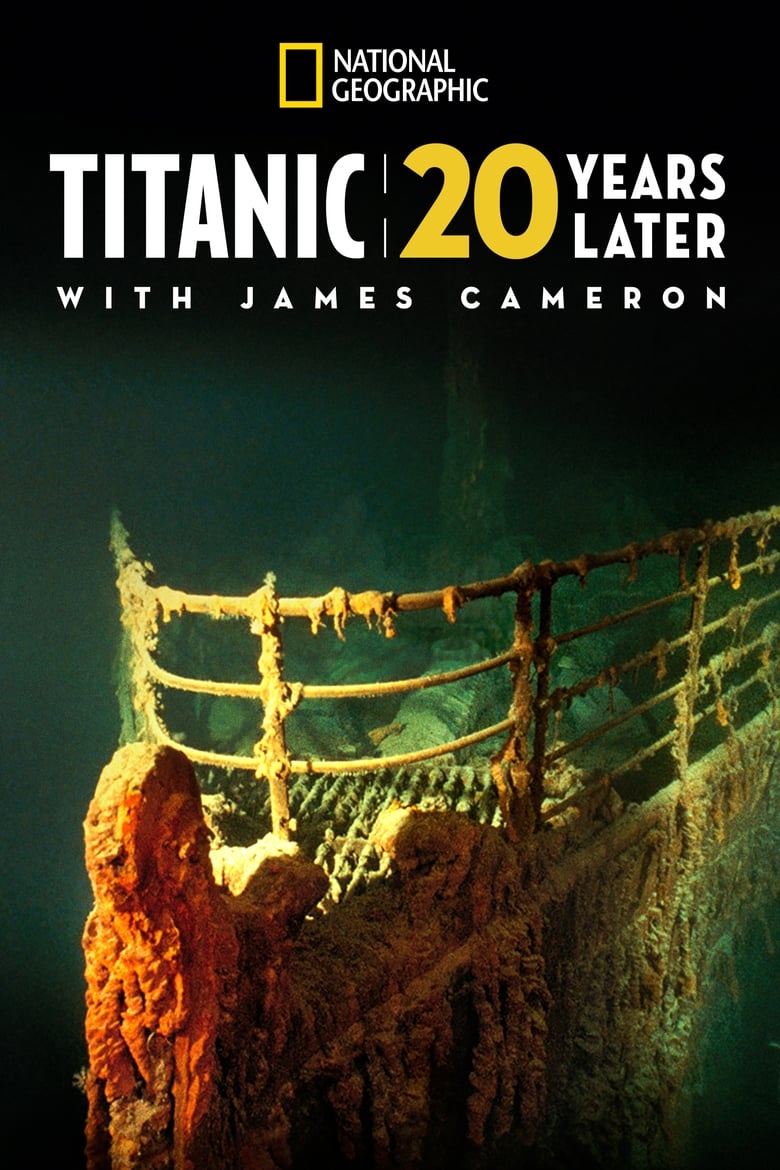
Titanic: 20 Years Later with James Cameron

4 Little Girls

Sympathy for the Devil

Memories of a Murderer: The Nilsen Tapes

Objectified